


The Best Football Accessories Every Player Needs This Season
Tackle football is a sport that requires a considerable amount of equipment and gear. Because football’s a contact sport, a high portion of the gear is designed to help prevent injuries. As the game has evolved, the clothing and equipment that players wear has become more durable, lighter, and better performing. Bulky uniforms, cumbersome helmets, and clunky shoes are gone forever. Players have multiple options for everything from gloves to chin straps to what type of compression shorts they prefer—all with the most up-to-date technology. Below is a guideline to help you find the best gear that’ll help you optimize your performance.

Tackle Football Accessories
Often, players have separate practice and game day gear. Football players have different jerseys for game days, and some have dedicated shoes for live competitions. Below is a list of accessories you’ll likely need for football season.
- Gloves: Gloves could be used to give players, like wide receivers, running backs, and defensive backs, a better grip to catch the football. Linemen often use them to protect their hands from getting bruised or cut when they’re blocking or tackling. Cold weather gloves are designed specifically for freezing or wet conditions. They’re usually lined with synthetic material like polyurethane or polyester that helps keep your hands warm but still allows players to easily catch and grip the football.
- Helmet: Helmets, which can help reduce the impact of a hit to the head area, according to studies , are required at every organized level of football. A helmet should fit comfortably around your head and neck area, allowing for freedom of movement but also providing stability.
- Arm Sleeves: Arm sleeves , which are typically worn from the top of your wrist to just above your elbow, protect players from abrasions and turf injuries that can occur. Arm sleeves also block the sun and help keep you dry when it’s wet. Arm sleeves should be lightweight, moisture wicking, and snug fitting.
- Elbow Sleeves: An elbow sleeve extends from the top of your wrist to the start or your bicep. It offers the same protection as an arm sleeve. Some players prefer arm sleeves over elbow sleeves because they’re less restrictive. Other players want added protection.
- Wrist Bands: Some players wear wrist bands to absorb sweat. Quarterbacks often write their play calls on their wrist bands. Wrist bands are also designed to help support your wrist from impact. Wrist bands should be lightweight, comfortable, and easy to take on and off.
- Towels: Towels are primarily used to help players keep their hands and forearms dirt and sweat free. Skilled players, like wide receivers, quarterbacks, and running backs, must keep their hands dry so they can grip the football. There are 2 kinds of towels: A waist towel, which is tucked into the player’s pants around their waist, or a clip-on towel, which is often attached with a Velcro strip or a small hook around a player’s belt. Your towel should be lightweight, absorbent, and adjustable. Players use the towel during breaks in the action.
- Mouthguard: Mouthguards, which are designed to help protect you from injury, are required by the National Collegiate Athletic Association (NCAA) but not the National Football League (NFL). Most players, however, wear mouthguards. You can get a specially designed mouthguard, which often involves having a dentist take an impression of your mouth and teeth, or buy a premade one. A mouthguard should be comfortable, allowing you to breathe easily. It should have gel-fit technology that will help you get the right fit.
- Chin Strap: A chin strap helps keep the helmet securely on your head, preventing it from shifting around while you’re playing. A stable helmet is designed to help prevent injuries to your head and neck area. Your chin strap should be adjustable, allowing you to wear it high or low on your chin, durable, and strong.
- Neck Roll: Neck rolls are designed to help minimize impact in your neck area. A neck roll sits on your shoulder and wraps around your neck. It’s often made of memory foam, polyester fiber filler, or latex. Many players don’t wear neck rolls because they can restrict your peripheral vision. The players most likely to wear a neck roll are linemen.
- Hand Warmer: Skilled players often use hand warmers on the sidelines to keep their hands from getting cold in freezing weather. A hand warmer is a pouch that you strap to your waist that typically has openings on both sides of it. You stick your hands in the warmer to access the heat. The hand warmer usually contains 5 ingredients—iron powder, water, salt, activated charcoal, and vermiculite—that, when mixed, oxidize and release heat. Hand warmers can last for anywhere from 7 to 24 hours.
- Skull Cap: A skull cap is sometimes worn underneath your helmet to keep your head insulated and warm, and as a layer of protection between your head and helmet. A skull cap should be moisture wicking, lightweight, and stretchy.
- Guardian Cap: A guardian cap is a soft-shelled cover that is placed over a hard-shelled helmet. It’s typically made of a soft foam. The purpose of a guardian cap is to help reduce the impact of blows to your helmet. Linebackers, linemen, tight ends, and running backs are required to wear guardian caps during practice in the NFL. Roughly, 20 players wore guardian caps during regular season games in 2024.
- Athletic Tape: Players often use athletic tape on their hands, feet, and ankles to help protect and support them from scraping and bruising. Athletic tape can also be used to help provide compression in an area where a player might have a minor injury. For instance, if a player has a “jammed” finger, taping that injured finger to another finger could help minimize the pain from the injury during impact.
- Compression Shorts: Compression shorts , worn underneath your football pants, can help protect against abrasions and cuts that could form when players hit the ground. They also offer support around your waist and groin area. Compression shorts should be stretchy, fast drying, and cool.
- Padded Undershirt: A padded undershirt is worn underneath a player’s jersey. It’s made to help keep players cool and protect their skin from abrasions and bruises that can happen during impact. A padded undershirt is designed to help keep a player’s rib area safe.
- Equipment Bag: Football players need a bag to transport practice and game day gear. Your bag should have specialized compartments for the different types of gear necessary. Look for a lightweight, roomy bag that’s water repellant.
- Water Bottle: To stay hydrated properly, carry your own water bottle for practice and games. A vacuum sealed bottle that’s lightweight and has a cap that pops off easily is a good option.
Flag Football Accessories
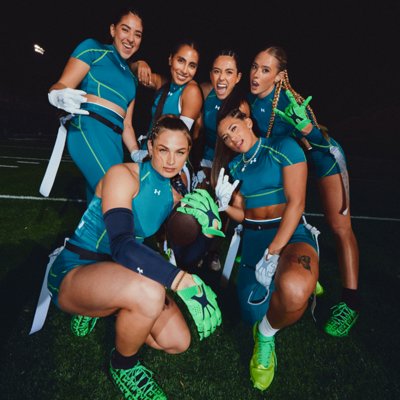
Flag and tackle football require many of the same accessories. For flag football, you’ll want gloves for grip, arm sleeves, wrist bands, towels, hydration accessories, and an equipment bag. Players are less likely to wear pads because flag football is a non-contact sport. Going without pads allows them to maximize their freedom of movement. Flag football games are often played indoors so cold weather gear isn’t always necessary. Below are descriptions of some necessary gear for flag football.
- Flag Belt: Players are required to wear a belt that usually has multiple flags attached to it.
- Flags: In most leagues, there are 3 belts on the flag, one on the back and 1 on each hip. Flags are usually made of nylon or polyester, and they can be attached via a Velcro strip.
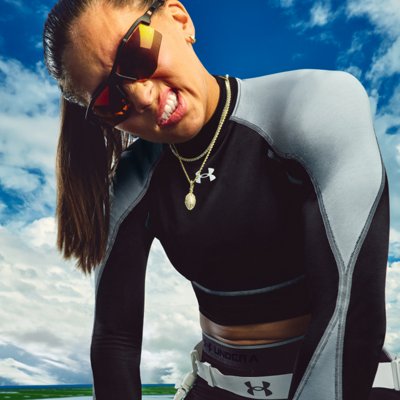
- Sunglasses: Players in regular football rarely, if ever, wear sunglasses because they have helmets to deflect the sun. Flag football players don’t wear helmets since there isn’t contact. Sunglasses can help flag football players see the ball better in the air when they’re playing outside on a bright day. Wraparound sunglasses, which will stay more secure than regular sunglasses, are a good option. The sunglasses should be durable, lightweight and scratch resistant with an adjustable nose pad.
Take your time and look for the right gear because it can help elevate your play.