

What to Wear to Football Practice (and What to Leave Out)
It’s your first day of football practice. What should you wear? Since football practice typically starts at the end of Summer, you’re going to need gear that’s comfortable, durable, and cool. Practice gear will depend on whether you’re indoors or outdoors, and if it’s Summer, Fall, or even Winter if you play late into the season. It also depends on the type of practice you’re having. Typically, practice intensity is at its highest on Tuesday and Wednesday for high school and college teams. As teams get closer to gameday, the practices become lighter, which allows players to be fully rested. Heavier gear would be used for early practices when there’s likely to be more full contact and lighter gear for later practices. Some leagues might have requirements for practice gear. Check their rules to make sure you have the necessary equipment and gear. Below are some guidelines and accessory recommendations for what to wear to football practice.

Why Practice Gear Matters
To play well on gameday, you need to practice well. To practice well, you need to feel good about the clothing and gear you’re wearing. Of course, you won’t want to wear a full set of pads unless perhaps you’re playing in a live scrimmage.
Breaking in New Gear: If you’re a seasoned player, you’ll want to test new gear and clothes during different conditions. How do your new shoes perform on turf? Do they feel good? Is the compression gear comfortable? You can try clothes and shoes on when you buy them, but they need to be tested in game-like conditions. For instance, football cleats come in 3 sizes: low cut, mid cut, and high top. You’ll want to figure out what works best for you in the position you play.
Safety: You’ll want to wear gear that is designed to help protect you from injuries, like mouth guards and helmets. The National Library of Medicine found over 48% of the injuries in college football occurred in practice in one study.
Comfort: You need to dress for the conditions to perform well. If your gear fits well, keeping you cool in the hot weather and insulated in the cold weather, you can focus on performing well.
What to Wear Head to Toe
There are many good options for players to get properly dressed for practice, but the biggest challenge might be figuring out what works best for you. You might have to try different kinds of gear to get your optimal practice fit. It takes time. Be patient. It’s important to look for quality gear that fits well.
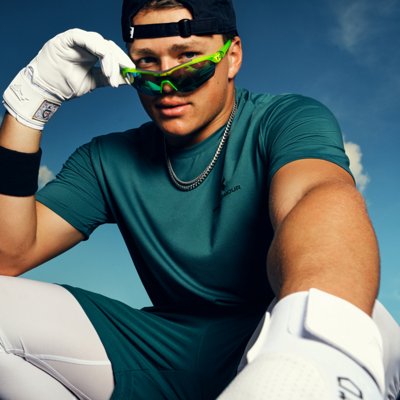
Baselayers: Baselayers are T-shirts and underwear or any type of clothing that touches your skin. Consider the weather when choosing your baselayers. If you’re practicing in hot weather, you might want to wear a short-sleeved T-shirt. A long-sleeved T-shirt can be used in either hot or cold weather. Baselayers should be stretchy, sweat-wicking, and durable. Avoid 100% cotton, and look for compression gear that doesn’t bunch up, and allows you to move in every direction.
Jerseys/Pants: The type of jersey or pants you use for practices can depend on the type of weather you have. A comfortable pair of compression pants with shorts pulled over the top of them is a good option. If it’s warm outside, you might just opt for a pair of shorts. A lightweight, comfortable quality mesh jersey is good for practice. If it’s cold, you can wear a long-sleeved compression T-shirt underneath it.
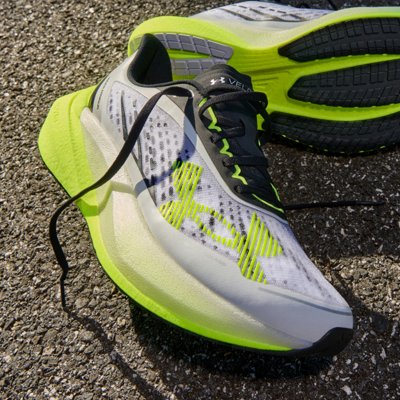
Cleats: Cleats aren’t required for practice but it’s a good idea to wear them. They’ll grip better on turf and grass than tennis shoes. The type of cleats you use depends on the position you play. Often, players will have several pairs of practice cleats.
Gloves: Gloves aren’t just for wide receivers. Every position player, with the exception perhaps of the quarterback, can wear gloves. Some players prefer them when it's cold, but offensive and defensive linemen might use them to protect their hands when they block and try to fend off opponents. Wide receivers use gloves for extra grip to help them catch footballs thrown at them. Your gloves should be comfortable and made of lightweight stretchy material.
Mouthguard: In the NFL, mouthguards aren’t required, but it’s mandatory for NCAA players to wear them in college football games. An American Dental Association study found that participants who didn’t use a mouthguard had twice the risk of oral facial injuries compared to those who did use a mouthguard. A good mouthguard should fit comfortably and allow you to breathe and talk easily. Some players opt to have a mouthguard designed by an orthodontist.
Helmets: Football players almost always wear helmets during practice unless it’s a walk through. A walk-through practice is typically when the team rehearses its plays, sometimes the day of the game or the day before. If there’s contact involved, a helmet is usually mandatory.
Practice Bag Essentials
Extra gear that’s transportable should go into your practice bag. Carrying a football bag to practice is the best way to house your extra items. The bag should be big enough for miscellaneous items like a water bottle, an extra jersey, and a pair of pants and some socks. You’re likely to have a locker to store most of your large gear.
Water Bottle: A water bottle is a necessity. Look for a lightweight, sturdy, compact bottle that’s easy to transport.
Socks: Pack 2 or 3 pairs of socks. Look for sweat-wicking, breathable socks that are well ventilated. You don’t want your feet to get hot.
Tape: Some players will tape their ankles or wrists to help protect against injury. If you’re in the NFL, a trainer will do it, but many players prefer to tape themselves.
Towel: You’ll want a towel to wipe off sweat and perspiration in the hot weather and perhaps to keep your hands warm during downtime in cold weather. Position players have different uses for a towel. A quarterback needs a towel to keep their throwing hand dry so they can grip the football effectively. An offensive linemen might use a towel to keep their hands dry, which helps them grip their opponent when blocking.
Avoid jewelry, loose clothing, watches, materials made of 100% cotton and nonfunctional gear and clothing for practice days.
Dressing for success during football practice is a good way to get ready to play well on gameday. Find the clothes and gear that make you feel the most comfortable so you can elevate your performance when it matters the most.